

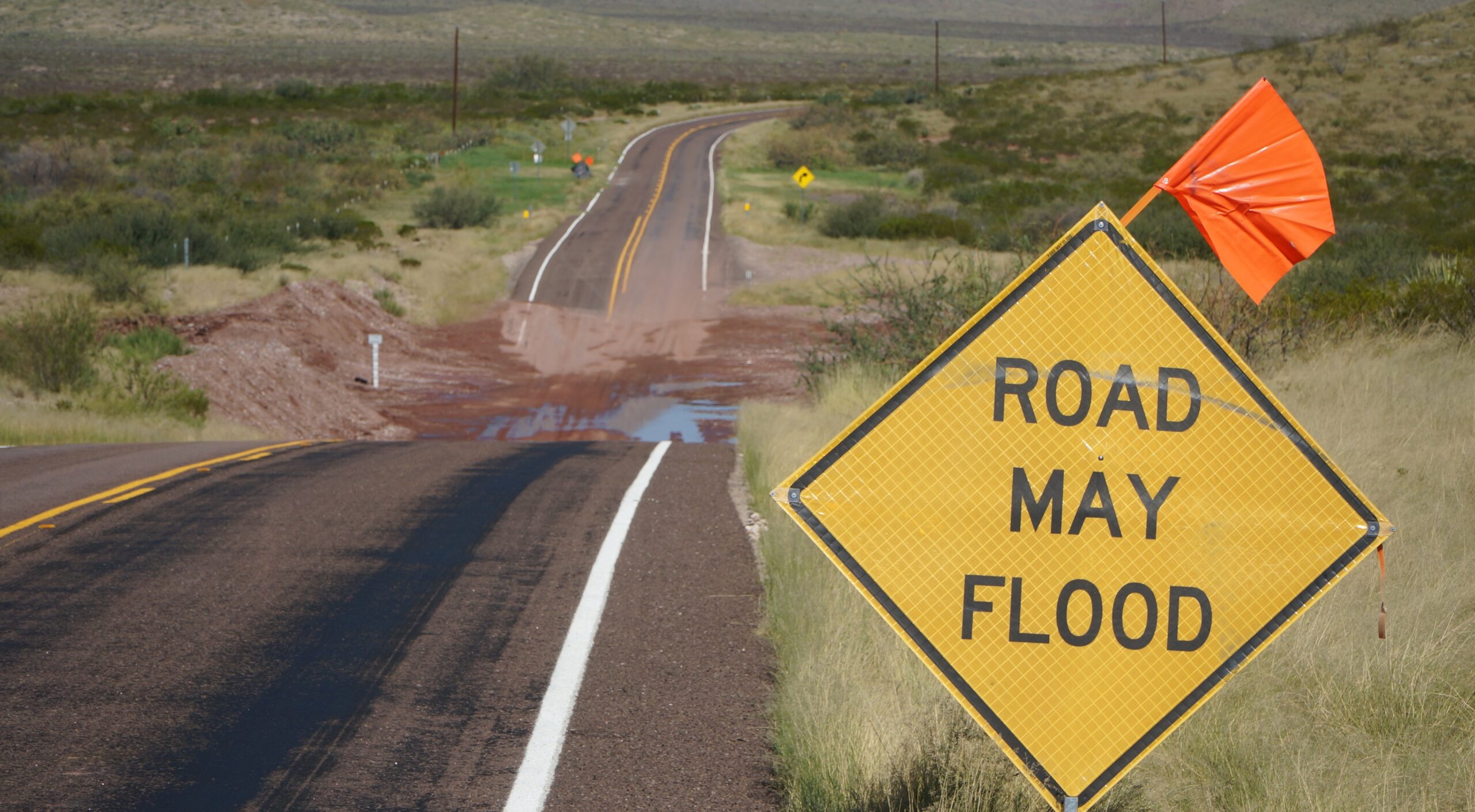
As we move into spring, changing weather conditions can create some of the most challenging driving environments of the year. Frequent rain, soft ground, and fluctuating temperatures mean drivers need to stay alert to avoid unnecessary hazards.
Wet, saturated ground can quickly turn routine stops into major problems. Muddy lots, soft shoulders, and pothole-filled areas increase the risk of getting stuck—or even tipping equipment. It’s important to be mindful of where you’re driving and parking. Avoid pulling off roadways into grassy or soft areas, and steer clear of poorly maintained lots with standing water or deep ruts. Whenever possible, stick to concrete or asphalt surfaces. Even something as simple as driving through a puddle in a rough lot can lead to getting stuck in mud.
Spring weather can also bring warm, wet days followed by colder nights, which creates another set of challenges. These temperature swings can cause brakes to freeze or lock up and may lead to flat-spotted tires if equipment is dragged. That’s why thorough pre-trip inspections are critical this time of year. Before moving your vehicle, take the time to ensure your tires are rolling freely and not stuck. Driving with locked brakes can quickly lead to costly damage and unsafe conditions.
Wet roads are another factor drivers must account for during the spring season. Reduced traction and changing conditions require extra caution behind the wheel. Slowing down, increasing following distance, and staying alert can make a significant difference. FMCSA recommends reducing speed by at least one-third on wet roads, and that extra time and space can help prevent accidents.
Spring may bring warmer temperatures, but it also introduces new risks on the road. Staying aware of your surroundings, taking extra care during inspections, and adjusting your driving habits will help ensure you—and everyone around you—arrive safely.