

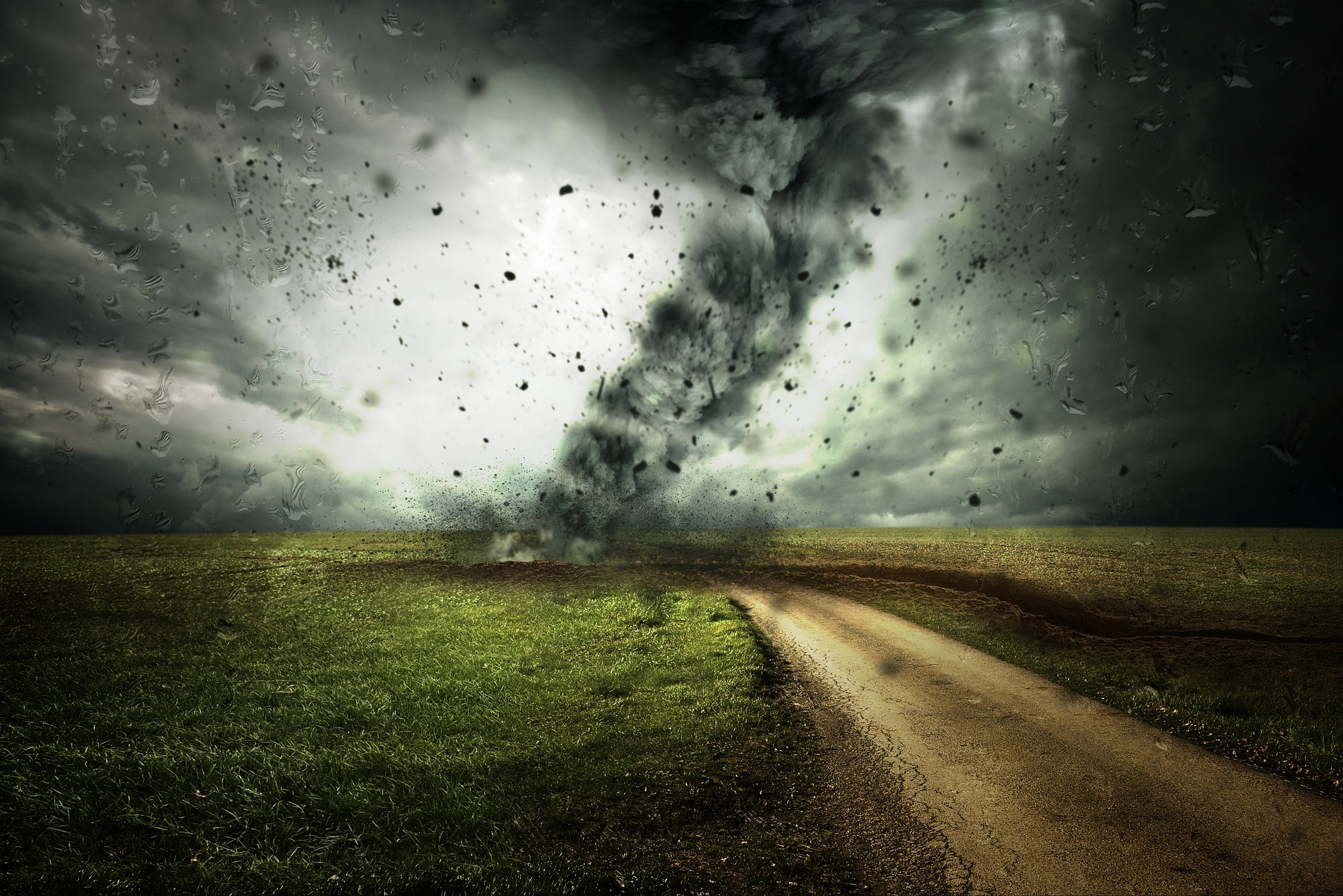
Recent storms have been a strong reminder of how quickly conditions can change on the road. Staying prepared and adjusting your driving habits during severe weather is critical to keeping yourself—and others—safe.
Driving in Wet & Severe Conditions
When roads are wet or visibility is reduced, slow down and stay alert. A good rule of thumb is to reduce your speed by at least one-third in rainy conditions. Increase your following distance and maintain a safe cushion of space around your vehicle at all times.
Avoid distractions and stay fully focused on the road. While onboard radar and safety systems are valuable tools, they have limitations—especially in heavy rain. Do not rely solely on sensors for following distance or blind spot awareness. Always use your own judgment and extra caution.
Understanding Tornado Alerts
- Tornado Watch: Conditions are favorable for tornadoes to develop. Stay alert and monitor updates.
- Tornado Warning: A tornado has been detected by radar or sighted. Take immediate action.
Before you begin your trip, review the weather forecast and plan your route accordingly. Know which areas you’ll be traveling through and identify safe places to stop if conditions worsen.
What to Do if a Tornado Strikes While Driving
Seek Shelter Immediately
If possible, get inside a sturdy building. The more walls between you and the storm, the better.
If No Shelter is Available
Move to the lowest ground you can find, such as a ditch, ravine, or culvert. Put as much distance as possible between yourself and your truck or other vehicles. Lie flat and protect your head and body with a coat, blanket, or your arms.
Last Resort
If you cannot exit your vehicle safely, remain inside with your seatbelt fastened. Get as low as possible in your seat and cover your head.
Important Reminders
- Do not attempt to outrun a tornado
- Do not take shelter under overpasses or bridges
Staying informed, prepared, and cautious can make all the difference when severe weather hits. Safe driving starts with smart decisions—especially when conditions are at their worst.